
yunmincandoit
April 4, 2025
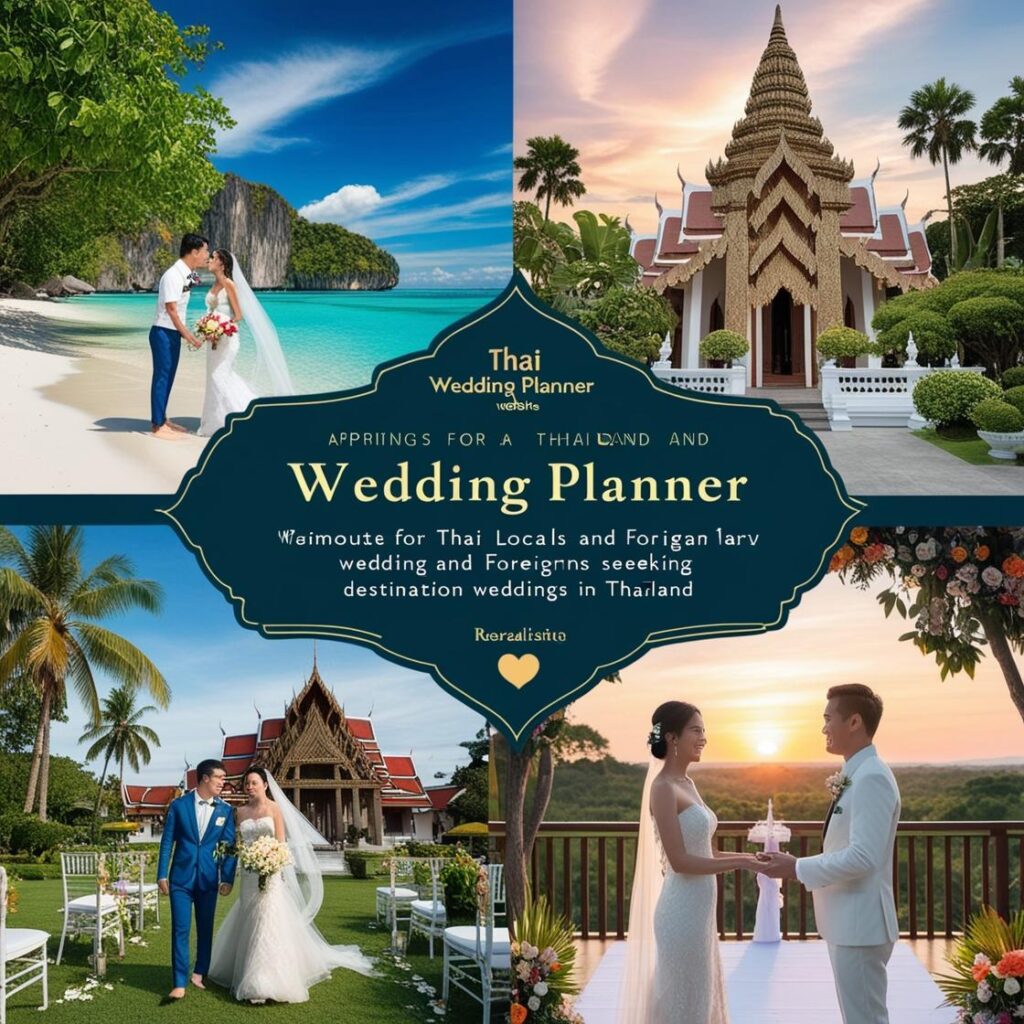
Dreaming of a beautiful Thai traditional wedding? Whether you’re a local couple honoring heritage or a foreign couple embracing Thai culture, a Thai wedding ceremony is rich in symbolism, blessings, and beauty. In this guide, we’ll walk you through each step of planning an authentic Thai wedding — from the Sinsod to the sacred water blessing.
Thai weddings are deeply rooted in Buddhist customs and family values. The ceremonies are typically colorful, spiritual, and centered around respect, love, and good fortune. Many couples blend Thai traditions with Western elements for a truly memorable celebration.
Thais often consult a monk or astrologer to select an auspicious wedding date. This ensures good fortune and harmony in married life. Avoiding inauspicious days, such as Buddhist Lent or the waning moon, is a common cultural practice.
✅ Tip: Booking early is crucial, especially if your ceremony involves temple visits or monk blessings.
Before the wedding, a traditional engagement called Thong Mun takes place. The groom presents gold jewelry and gifts to the bride’s family as a sign of respect and commitment. This is also when discussions about the Sinsod (dowry) happen.
On the wedding day, the groom’s procession arrives at the bride’s house carrying the Sinsod (dowry), often including money, gold, and symbolic items. This part of the ceremony honors the bride’s upbringing and family values.
✅ Modern Trend: Some couples use symbolic dowries to honor tradition without heavy financial burden.
One of the most joyful moments! The groom and his entourage arrive dancing, singing, and bearing gifts. They must pass through symbolic “doors” or “gates” held by bridesmaids, sometimes requiring bribes or playful challenges before reaching the bride.
Monks are invited to chant prayers, offer blessings, and sprinkle holy water over the couple. The bride and groom present offerings such as food, flowers, and robes to the monks. This ceremony typically happens in the morning and is the spiritual core of a Thai wedding.
This heartfelt ritual symbolizes blessings from elders and family. The couple kneels with their hands joined while guests pour water over their hands using a conch shell, offering kind wishes and marriage advice.
✅ Dress Code: Brides usually wear traditional Thai silk dresses, and grooms wear formal Thai jackets (suea phraratchathan).
After the formal rituals, couples host a lively wedding reception featuring a delicious Thai meal, traditional music, dance performances, and speeches. Many blend in Western elements like cake-cutting, first dances, or bouquet tosses.
Thailand offers stunning venues for traditional ceremonies:
✅ Top Locations: Chiang Mai, Bangkok, Ayutthaya, Phuket, and Koh Samui.
© 2024 Kitpapa Template • All Rights Reserved